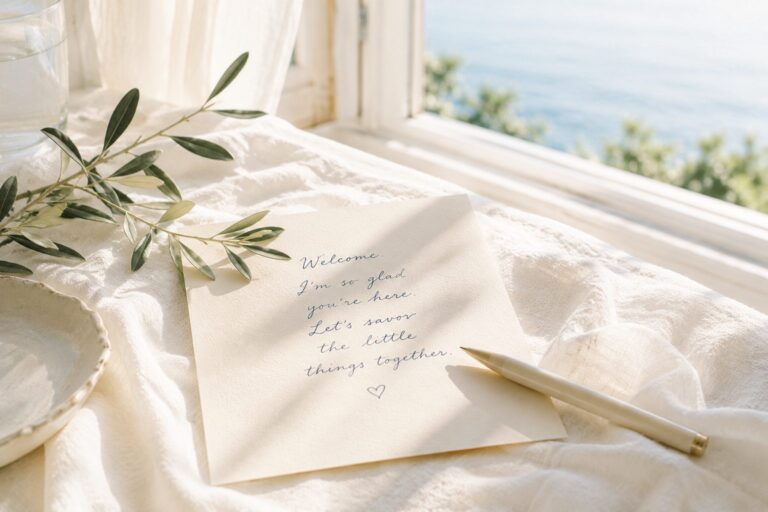
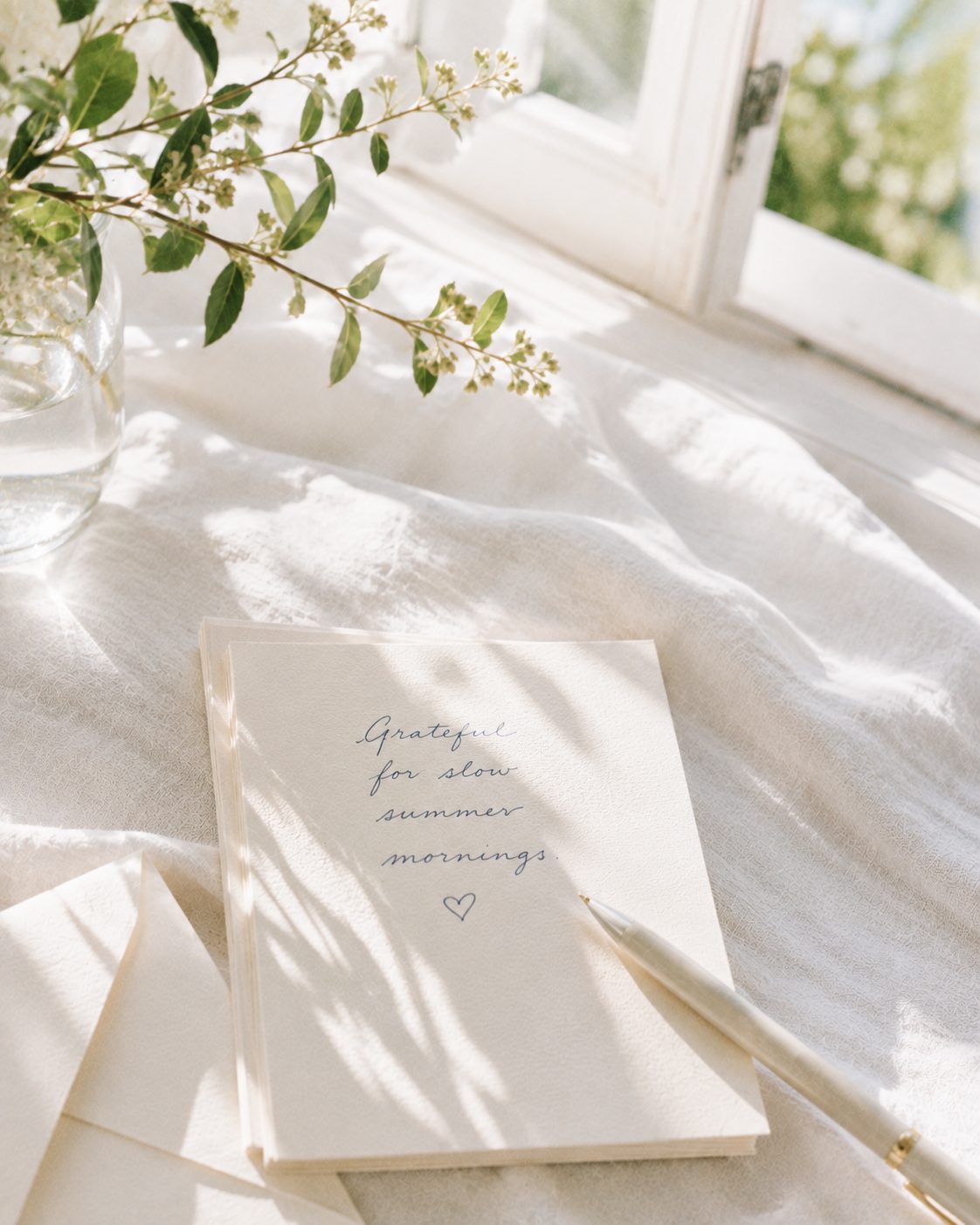
The season of giving is near, with all its warmth and its bright shop windows. Alongside the pleasure runs a familiar little worry. The list. The scramble. The sense that we might spend a great deal on things that will not quite land. Most of us are not bad at generosity. We are only unpracticed at gifts, and the two are not the same.
A good gift is not a transfer of money. It is a proof of attention. This is the whole philosophy, and everything else follows from it.
When you give someone a good gift, you are telling them something they cannot hear often enough: I have been paying attention to you. I noticed what you love. I remembered the thing you mentioned once and thought no one caught. The object is only the carrier. The message is I see you, and it is the message, not the object, that they will feel.
This is why price is such a poor guide. An expensive gift chosen without attention lands as what it is, a sum of money spent to discharge an obligation. A small gift chosen with real attention lands as something else entirely, as evidence that you were listening. People know the difference immediately. They may not say so, but they know.
I think about the best gifts I have ever received, and almost none of them were costly. A friend once gave me a used copy of a book I had loved as a child, tracked down because I had mentioned it in passing months before. She had remembered. That remembering was the gift. The book was just where she kept it.
So the work of giving well is not shopping. It is noticing. It happens all year, quietly, in the months when no gift is due. You catch the offhand comment. The thing they said they always wanted and never bought for themselves. The small daily frustration you could quietly solve. You file these away, and when the season comes, you are not scrambling through a store full of strangers’ ideas. You already know. You have known for months.
There is a second principle, and it matters as much as the first. Give what suits the person, not what suits you. This is harder than it sounds. We are forever giving people versions of ourselves, the book we loved, the gadget we wanted, the taste that is ours and not theirs. A gift chosen this way is really a gift to yourself, handed over in someone else’s name. The generous move is to set your own preferences aside and ask a simpler question. What would delight this particular person, whether or not it would delight me. Then give that.
The best gifts often solve a small problem the person has stopped noticing. The worn thing they keep meaning to replace. The daily annoyance they have accepted as permanent. To give the fix is to say I watched your life closely enough to see the friction in it, and I wanted to smooth it. That is intimacy, offered as an object. It is worth more than anything the price could buy.
None of this requires wealth. It requires attention, memory, and the willingness to think about someone other than yourself for a sustained moment. Those are free, and they are rare, which is exactly why a gift made of them feels so uncommon when it arrives.
So as the lists begin, resist the urge to shop first. Think first. Sit with each name and ask what you actually know about that person. What they love. What they lack. What they would never buy for themselves but would treasure if it appeared. Let the object come last, chosen to fit the attention, not the other way around.
Give fewer gifts if you must, but give them like this. One present that proves you were paying attention will outshine ten that prove only that you spent. The person will remember, long after the season, that you saw them clearly.
That is giving well. It was never about the money. It was always about the noticing.
Before you buy anything
The noticing costs nothing, and it is the whole of the philosophy above. Before buying anything to mark the giving, spend the time you would have spent shopping on paying attention instead.
When the object is ready to be wrapped, keep the materials simple and good. Plain paper and a real ribbon, kept on hand, serve every gift the year brings.
The edit
A few things that carry the giving well, once the noticing is done.
Notecard set
For the note that goes with it. People remember the note longer than they remember the gift.
A small notebook kept for gift ideas
Where you keep what you notice all year, before the season comes asking for it.
A note: where a piece can be bought new, I link to options I would keep myself. I may earn a small commission, at no cost to you. I would check estate sales and thrift shops first. Those pieces often have more character anyway.