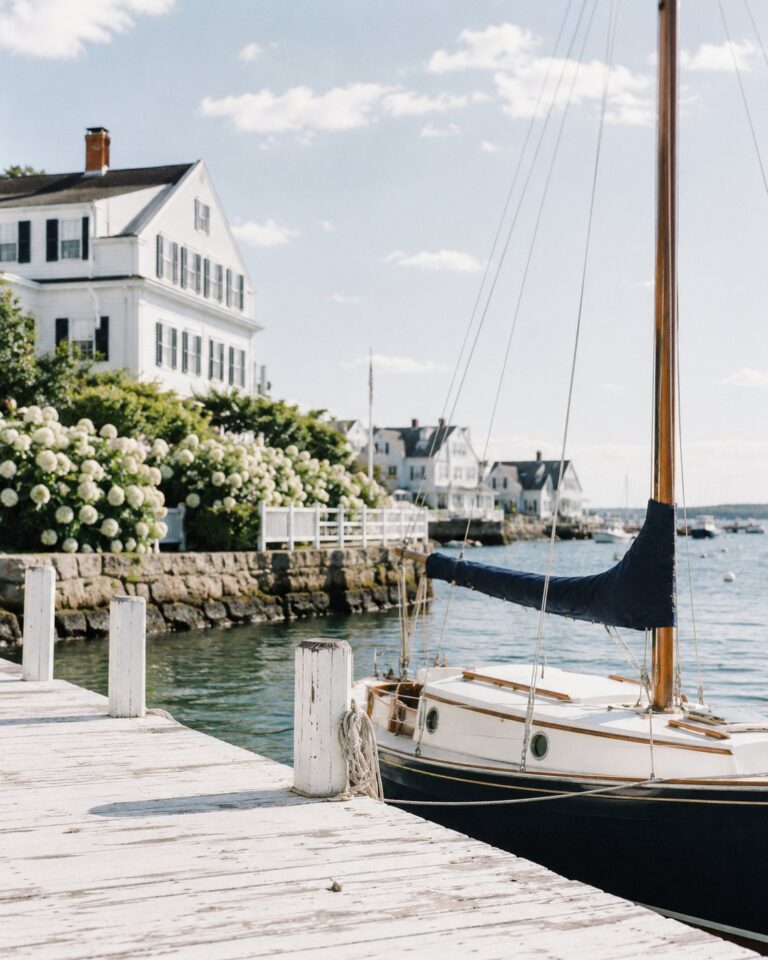
There is a particular kind of morning that makes the whole trip. The bag is already packed. It has been packed since the night before. You wake, you dress, you fill a thermos, and you walk out the door while the light is still low and gold over the water. Nothing is missing. Nothing is crushed. You are not on your knees in the closet at six in the morning, wondering where the other sandal went.
Packing a weekend bag well is a small skill. It is also a quiet one. Nobody teaches it directly. You learn it, usually, by watching someone who has done it a hundred times move through a room with unhurried hands. That is what this is. Consider it the thing an older sister would show you the night before your first real trip away.
A weekend is two nights. Sometimes three. The whole point is that it should feel light. So we pack for the weekend we are actually having, not for six imagined versions of it.
Start with the bag itself
The bag sets the terms. A soft-sided weekender or a small duffel is the right size, because it will not let you overpack. When the bag is big, you fill it. When the bag is modest, you choose.
Aim for something you can carry on one shoulder and lift into a car or an overhead bin without help. Soft sides give a little, which matters when you are fitting the last few things. A flat bottom that stands on its own saves you from the floor.
If the bag has one interior pocket and one exterior pocket, that is enough. Pockets are where small things go to be found again.
Build around a color, not a wardrobe
The reason your bag gets heavy is that nothing goes with anything else. You pack a top, then the pants it needs, then the shoes those pants need, and suddenly you have three separate outfits and no overlap.
Instead, choose one quiet color story before you touch a single garment. For the coast, this is easy. White, cream, soft navy, a wash of pale blue. Add one warmer note, a sand or a faded gold, so nothing feels cold.
When everything shares a palette, everything shares. A single pair of trousers works with all three tops. One sweater covers every evening. This is the whole secret, and it is the difference between a full bag and a light one.
The two-night list
Here is a working list for two nights and three days by the water. Adjust up or down by one for each extra night.
- Two pairs of trousers or one pair plus a skirt.
- Three tops that all suit both pairs of bottoms.
- One sweater or light jacket for the evening, when the wind comes up off the water.
- One dress that can go to dinner or, with a cardigan, to a long lunch.
- Two pairs of shoes. One you walk in, one you dress up. Wear the heavier pair on the way.
- Underthings and socks for each day, plus one spare set.
- One swimsuit. Two if you like to swim in the morning while the first is still drying.
- A sun hat, folded flat, and sunglasses.
That is a full weekend. Look at how short the list is. That is the point.
How to fold and place things
The order you pack in decides whether things arrive smooth or creased. Work from the bottom up, heaviest to lightest.
- Roll trousers and anything sturdy. Rolling saves space and keeps hard creases out. Lay the rolls along the bottom of the bag.
- Fold tops and dresses flat, in halves, and stack them on top of the rolls. Flat folding suits softer fabrics that mark easily.
- Tuck shoes along one side, soles facing out, each in a cloth bag or a simple drawstring pouch so they do not touch your clothes.
- Fill the insides of the shoes with socks and small rolled items. Empty space inside a shoe is space you paid to carry.
- Slide the swimsuit and anything you might want first into the top layer, where your hand lands when you open the bag.
Keep the things you reach for in the car or on the train near the top. A book. A scarf. The thermos.
The washbag, packed once
The reason toiletries feel like a chore is that we repack them every trip. Do it once instead. Keep a small washbag stocked and ready, and it becomes a thing you simply lift off the shelf.
Inside it lives a duplicate of your daily essentials. Toothbrush and paste. A small cleanser. One moisturizer. Sunscreen, because the coast asks for it even on grey mornings. A comb. Whatever you take each day, in miniature, permanently.
Refill it when you get home, not when you leave. That one change moves the work to a calmer moment.
Leave room, and leave things behind
A well-packed bag is never quite full. Leave a hand’s width of space at the top. You will want it for the sweater you bought, the shells the children found, the bread you carry home wrapped in a cloth.
And be honest about the just-in-case items. The second dress you will not wear. The third book. The shoes for the dinner that is not on the plan. If it is there for a version of the weekend that is not happening, it stays home. You can always be the person in the simple white shirt. That is enough, and it always has been.
The night before
Pack the night before. This is the single habit that changes everything. In the evening you are unhurried and the whole list is in front of you. In the morning you are not.
Set the packed bag by the door. Put the keys on top of it. Then sleep, and let the morning be soft.
Before you buy anything
Any soft bag you already own will teach you this system before you need the ideal one. The palette and the folding matter more than the bag itself. Practice with what is in the closet first.
When the bag you have keeps letting you down, replace it once, well, and stop thinking about it. A good weekender is a decades purchase, not a seasonal one.
The edit
A few pieces that make the packing itself easier. Not required, all of them useful.
Soft-sided weekender
Flat-bottomed, one shoulder strap, and small enough to keep you honest about what actually comes.
Drawstring shoe pouches
Keep soles away from the clothes they would otherwise mark. Simple, and worth doing every time.
A note: where a piece can be bought new, I link to options I would keep myself. I may earn a small commission, at no cost to you. I would check estate sales and thrift shops first. Those pieces often have more character anyway.